Chapter 21: Pastimes and Evening classes
Pottery classes lasted a while longer since I really enjoyed the creative process, and I was quite good at it, even though I say so myself. I mostly made coiled pots, this is where the pot is not made on a wheel, but instead is built by coiling long sausages of clay to make the desired pot shape, and then kneading the coils together to make a smooth surface. This is good for pots that are not round. I hardly ever used the potting wheel to make pots, that was far too intense and needed lots of concentration and skill, so I mostly skipped that aspect. I also met some like-minded blokes who were always up for a couple of pints in the pub afterwards. One of these was Ron Lemarechal who became a great friend and if you cast your mind back to the first paragraph of this book, he was my best man who gave that speech. The ladies who did pottery were mostly of a certain age and so escaped my attentions. I gave up pottery when Sue, our instructor retired, which was just in time since I had run out of space in the house for the many works of art.
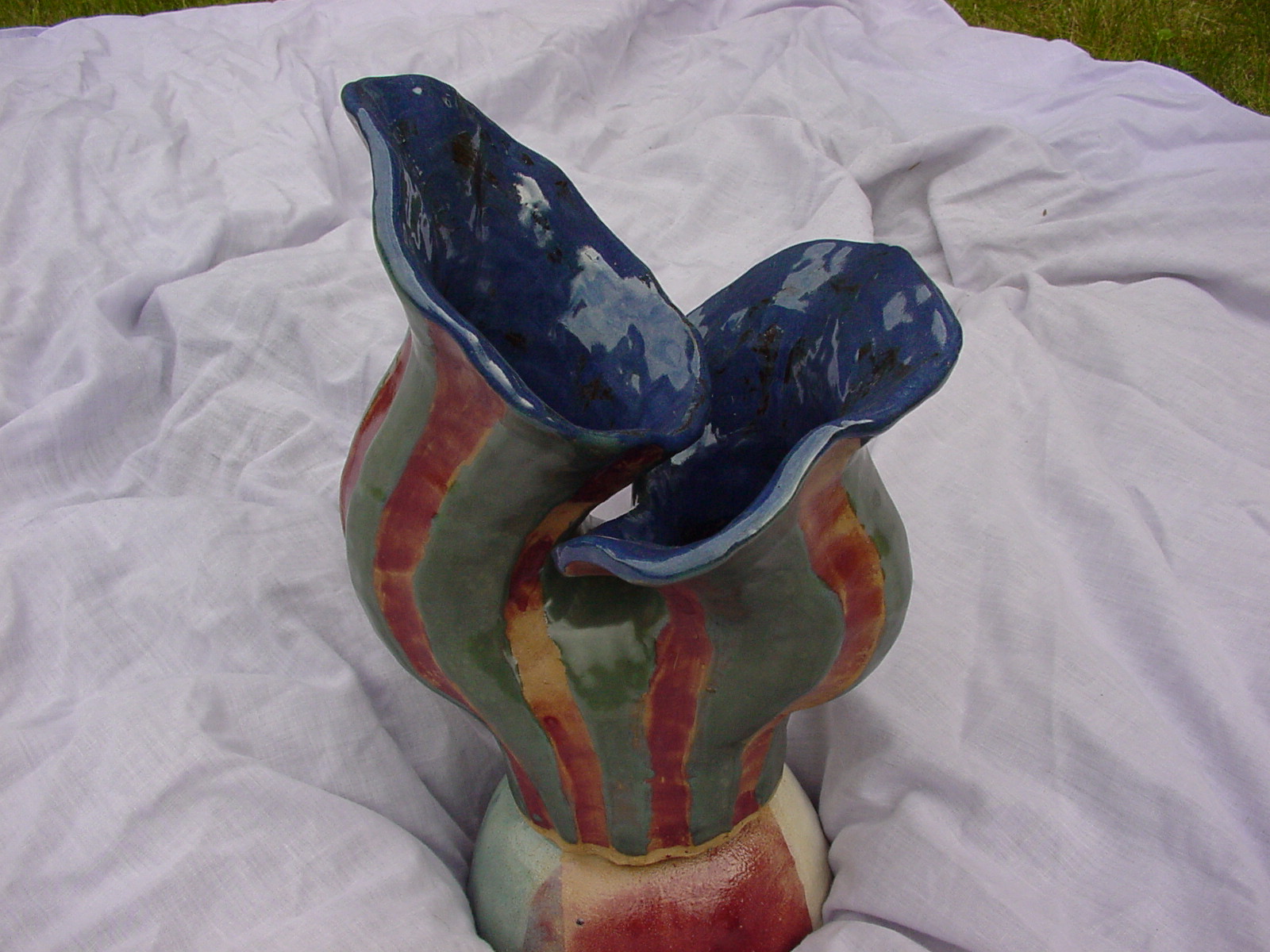
One of my pots
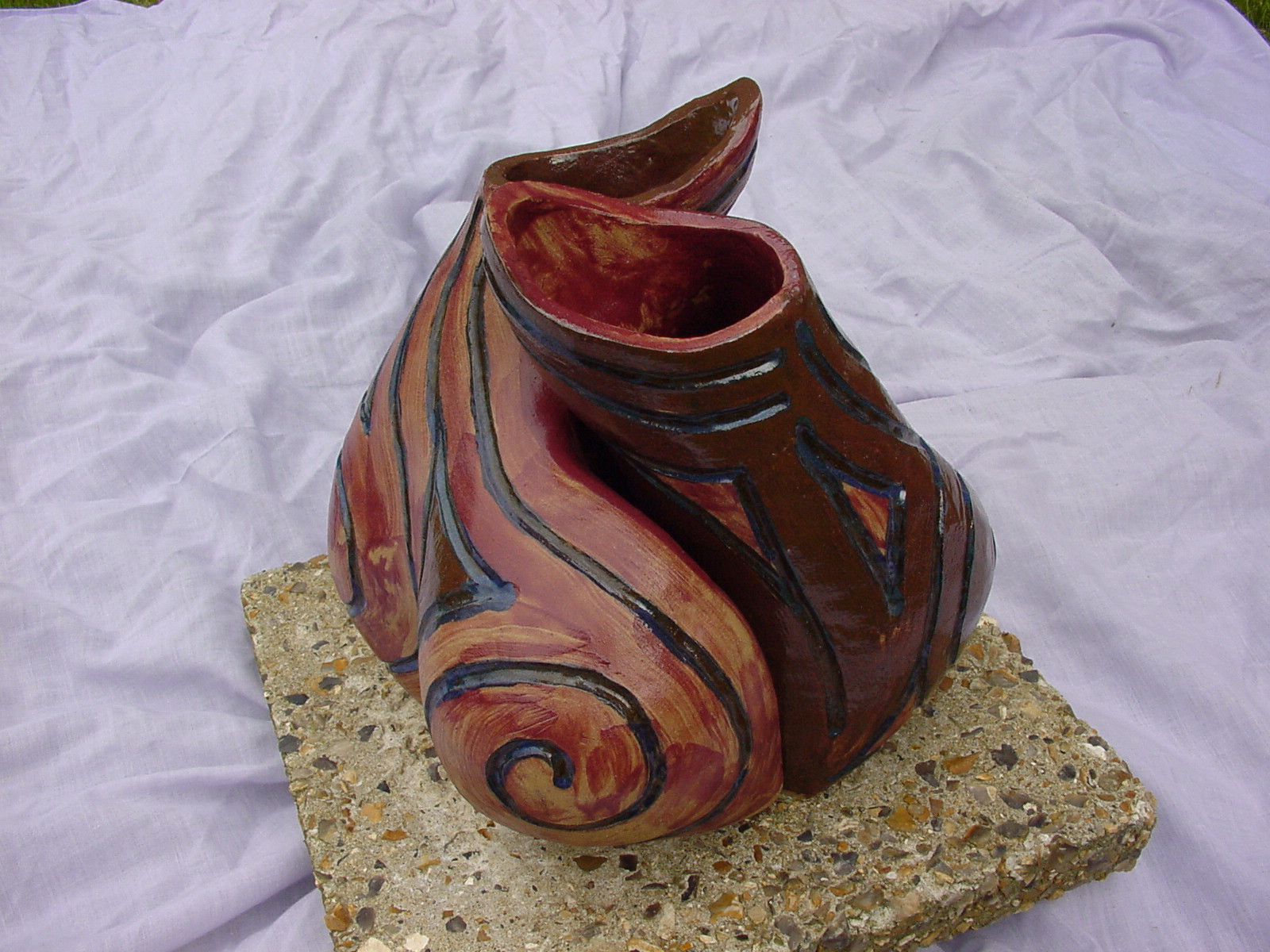
Another one of my pots
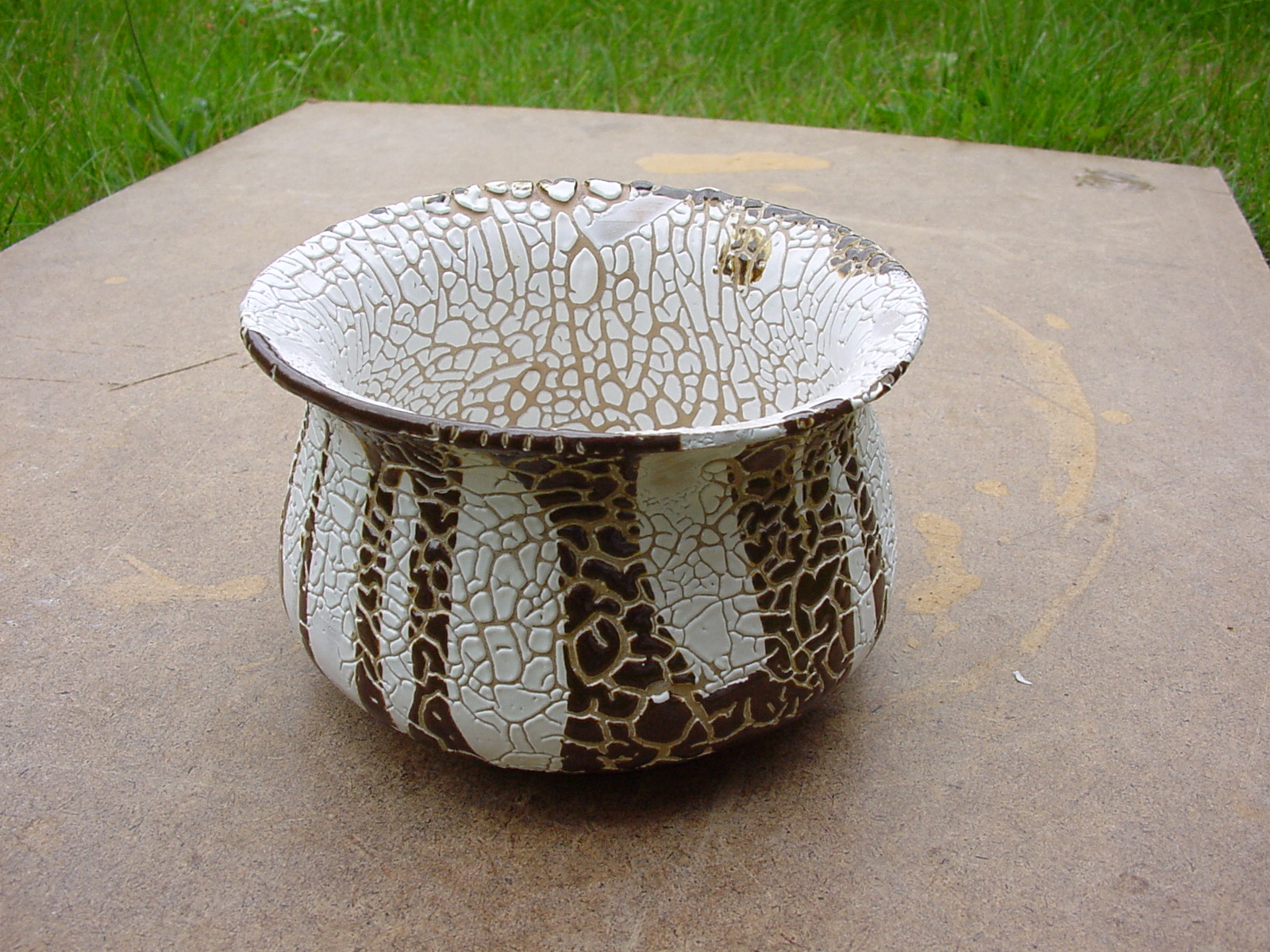
Yet another one of my pots
I had been a cyclist all my life, but I only decided it was a serious past time when I was working for Orbitel and living in Newbury. I bought a cheap racer and started to cycle off into the countryside around the town and beyond. Around 20 miles was an average run for me. I wasn't interested in anything longer since, as I found out from cross country running at school, my body wasn't really made for long distances. I often used to cycle the 17 miles from Newbury to Basingstoke to do overtime in the office on a Saturday morning. Now that was a challenge to do the return trip after only a few hours recovery time.
My enthusiasm did take a hit one time as I was cycling back home along the A339. I came across a queue of cars where the road does an uphill climb while on a left-hand curve. I worked my way to the front of the queue where there were a couple of police cars and an ambulance. I noticed a pair of spectacles on the road as I was waiting and thought it strange but didn't make any connections. When the policeman waved us through, I found myself cycling past a mangled pedal bike and the body of a man underneath a grey blanket by the side of the road. There was nobody with the body and I could see a long trickle of blood emerging from under the blanket and flowing down the hill. I think it was at that point that I decided that fast curving country roads were not a good place to be a cyclist. The incident was reported in the local paper a couple of days later. The man was a father of two young children.
There was a core of keen cyclists working at Ericsson who every year arranged for a large group to do the London to Brighton bike ride. I did it three times and enjoyed all of them. Even though it was 50 miles long and so well outside my usual comfortable distance, I found it really quite easy to do since there were always other cyclists around you to make it interesting. Most people walked up the two or three steep hills on the route which also saved energy. I often lost touch with my group because for some reason my bike was always susceptible to punctures, and I would get at least one on every Brighton ride. At the end of the trip the company would lay on a barbecue on the beach which was a great way to end the day.
One ride that I particularly liked doing was the London route. This is where I would load the bike into the car and drive to central London, always early on a Sunday morning to avoid the worst of the traffic and the commuter crush. I would park close to the Albert Hall in Kensington because it was free, and then cycle north of the river by various routes all the way to Greenwich where I used the pedestrian tunnel to cross to the south bank, and then weaved my way back to the car. This was a great way to see parts of London that were unknown to me at the time. Unfortunately, things have changed since the 1990s. Firstly, there is nowhere to park for free anywhere in London anymore, including on a Sunday. The second thing is that Sunday is now just as busy as any other day of the week in London, so it no longer has the same appeal. For those reasons I was not tempted to do it again in later years.
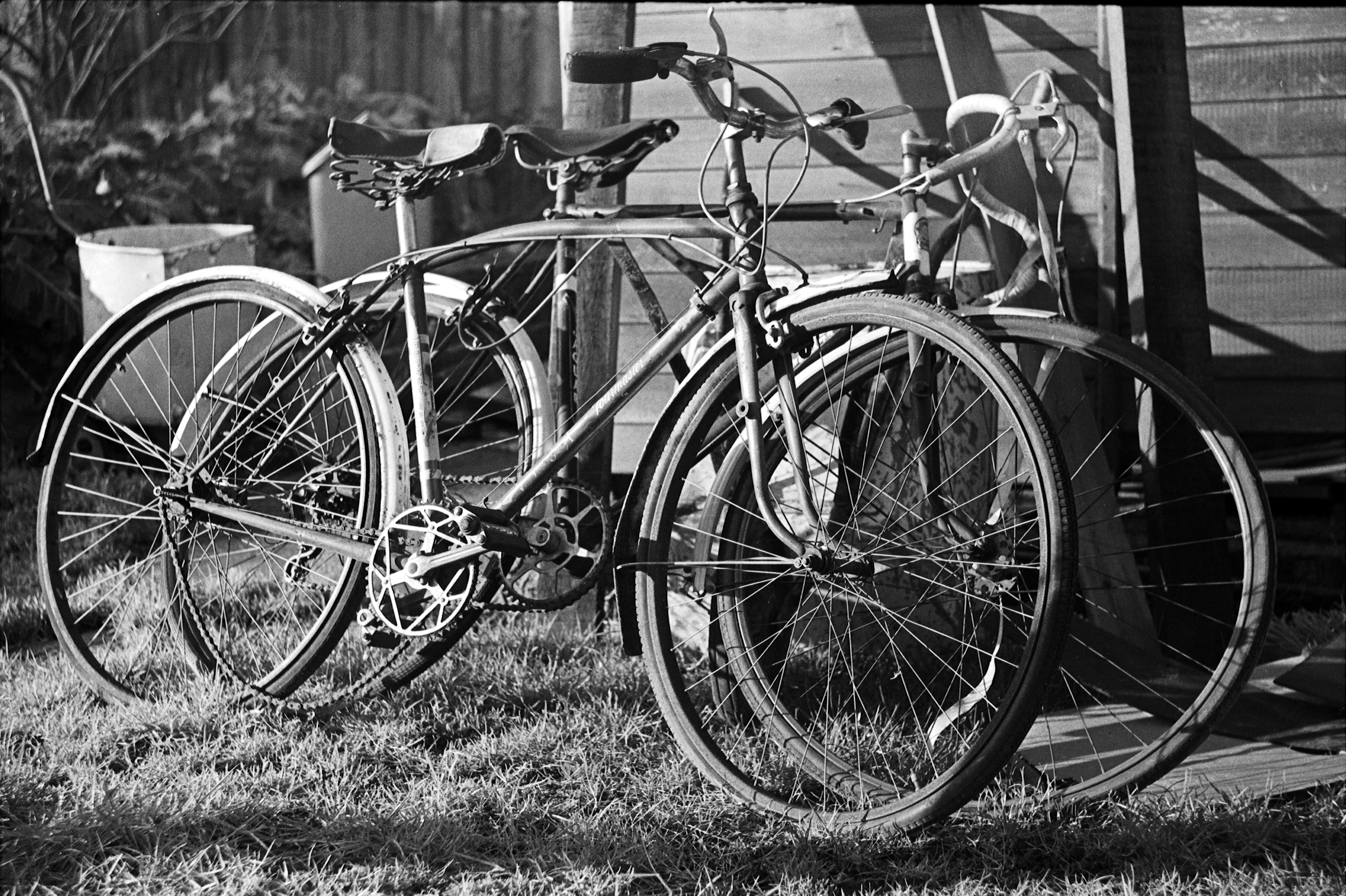
Some early bikes at Hawthorne Avenue
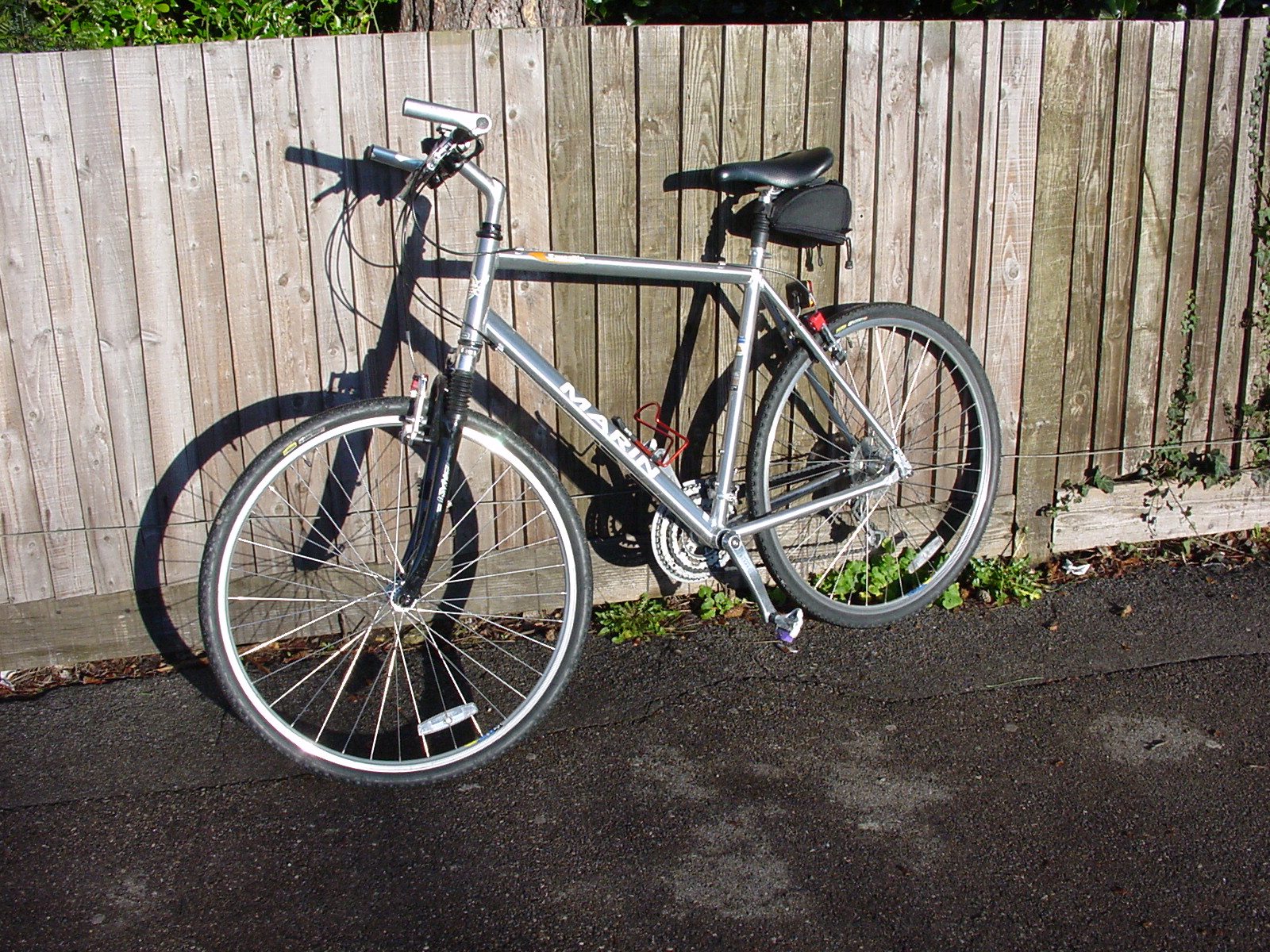
My Marin Sausalito
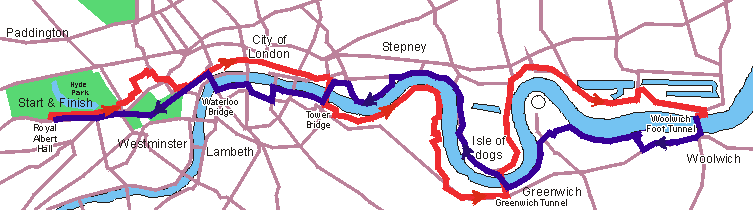
My favorite route through london, early on a Sunday morning
By this time, I was earning good money at Ericsson and decided that I needed a car to match my status. I had been thinking for a while now that it would be soon impossible to afford to run an exotic sports car due to the cost of petrol and the way the world was going, with emissions and clean air etc. I resolved to look around for a minor exotic. I did not want a super exotic car like a Ferrari or Lamborghini, and I thought that a Porsche was too common, and was a midlife crisis buy. By chance I came across the Maserati BiTurbo as an option. It was incredibly cheap for what you got. On the negative side I was also aware that running costs would be expensive and Maserati's were known to rust, but I did not plan to have it too long.
My current car was a Toyota MR2, which was OK but did not have the power or the image that I was looking for. It had become too much like a hairdresser's car. I found my car at a specialist Maserati dealer in Reading, it was a black BiTurbo 222SE and I bought it on the spot. It had been imported from Jersey, so had Jersey plates. I had to go to an office in Reading to get a new number plate for it.
I ended up keeping it for five years and it cost me an average of two thousand pounds a year to run, but I really enjoyed it during that time. I loved the power and the smell of leather. On several occasions I got positive comments about it while at petrol stations or in car parks. I never really trusted it though, and the thought of taking on a long run to Scotland for example was completely off the table. I sold it because my life priorities changed, and I did not need a rapidly rusting expensive and unreliable car anymore. More about that life changes at the end.
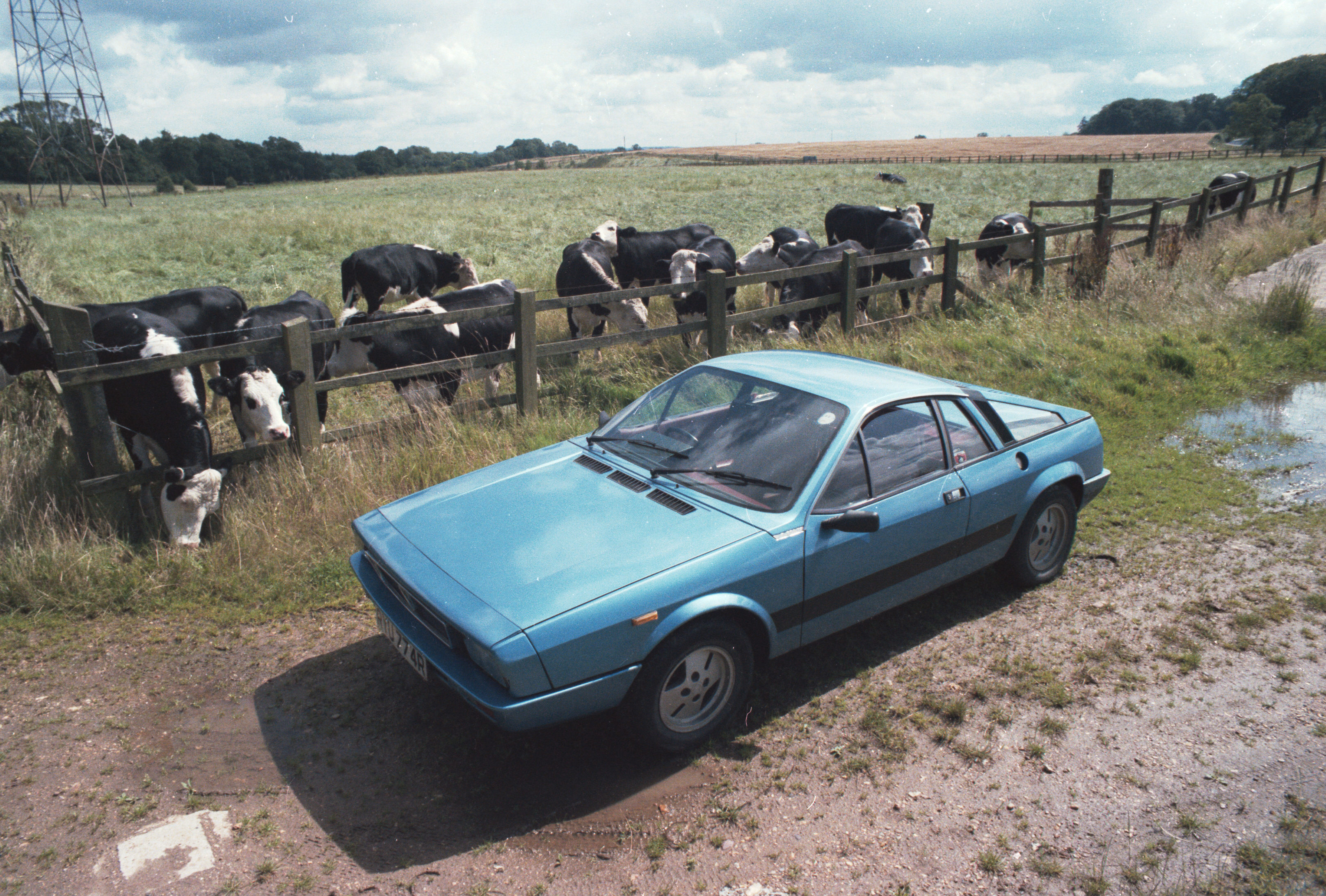
The beautiful Lancia Montecarlo
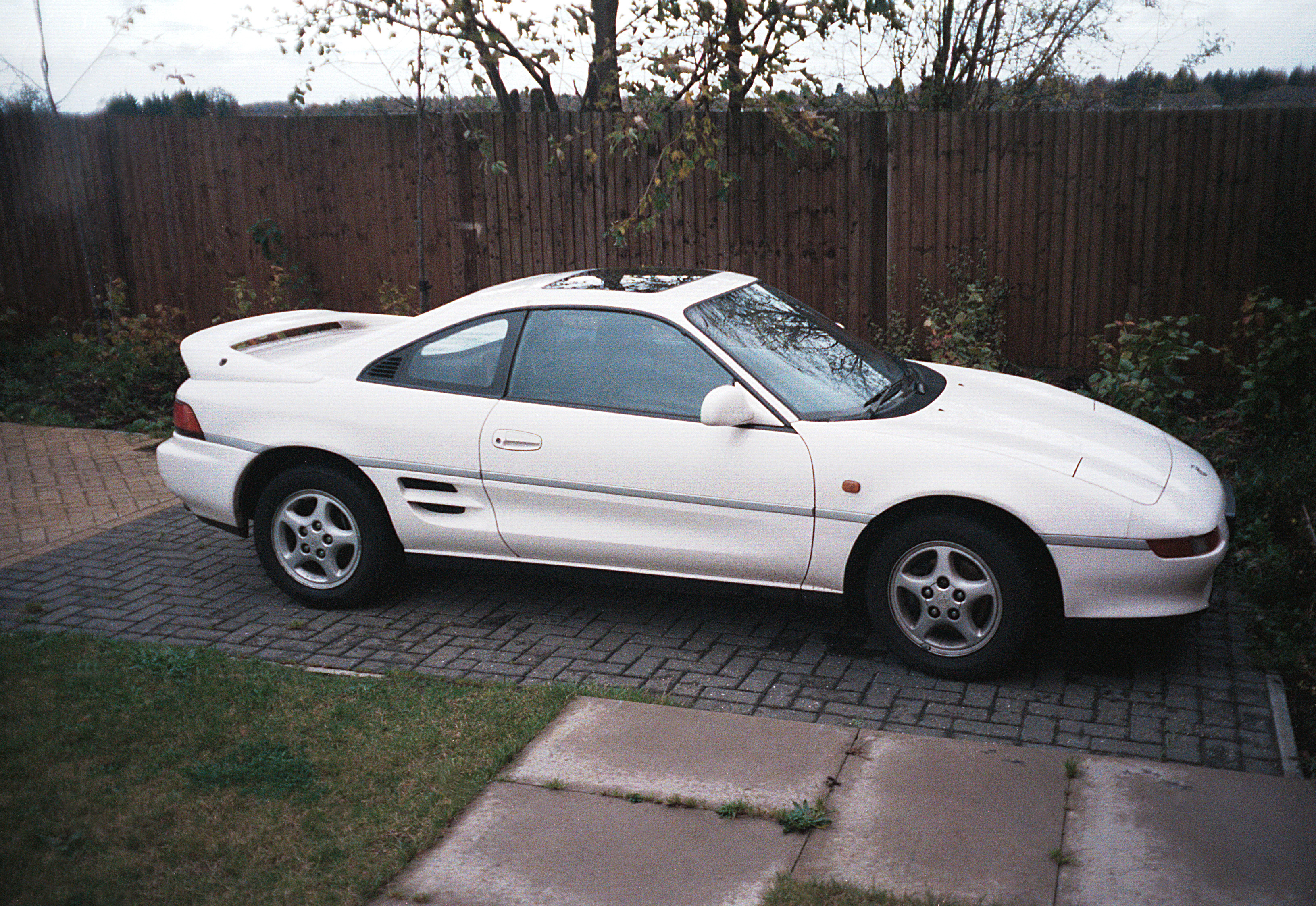
Mr Toyota MR2
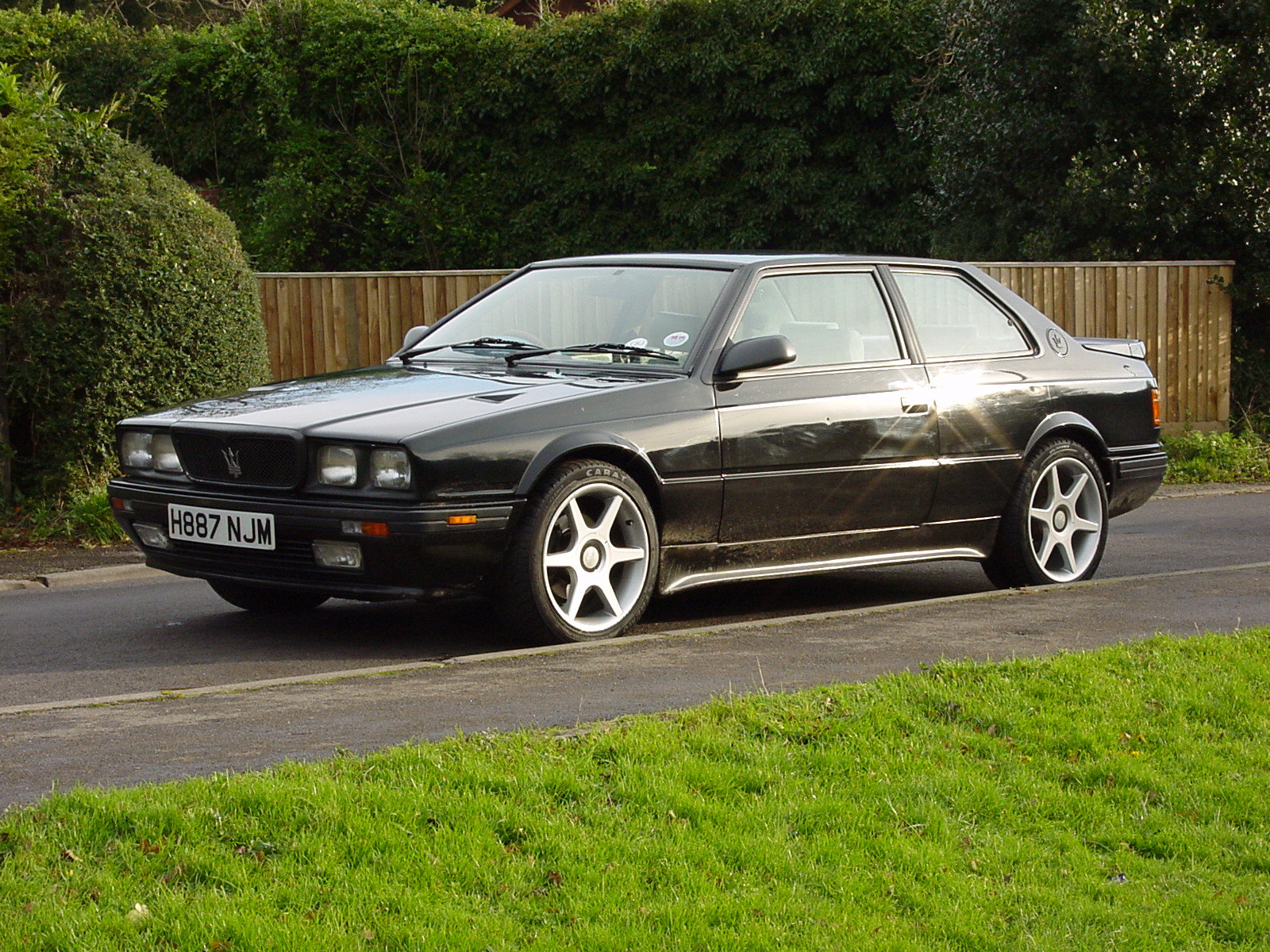
The beast - Maserati Biturbo 222SE