
Chapter 22: Ericsson part 2
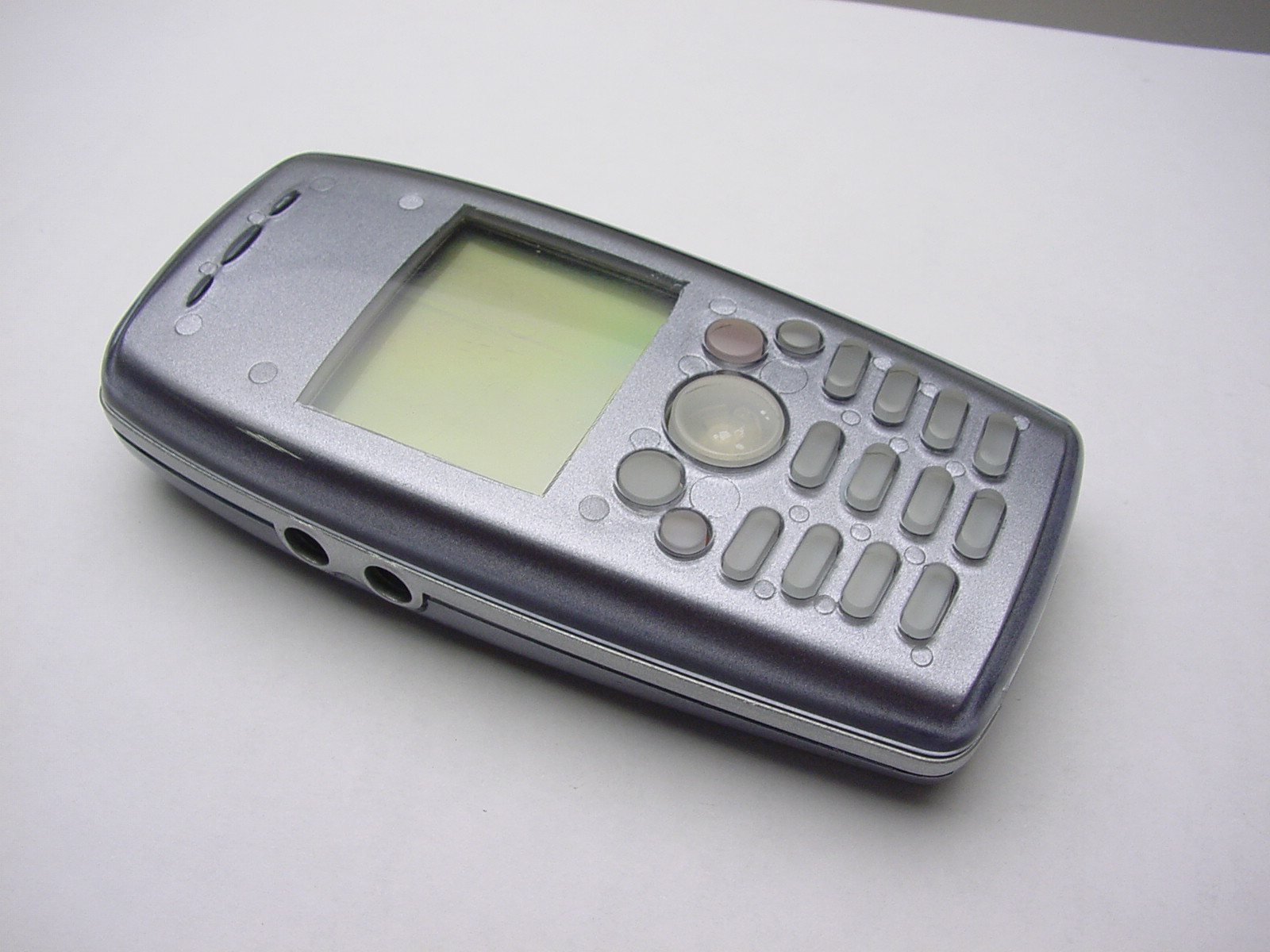
A phone in development at the end. The transparent Kohinoor
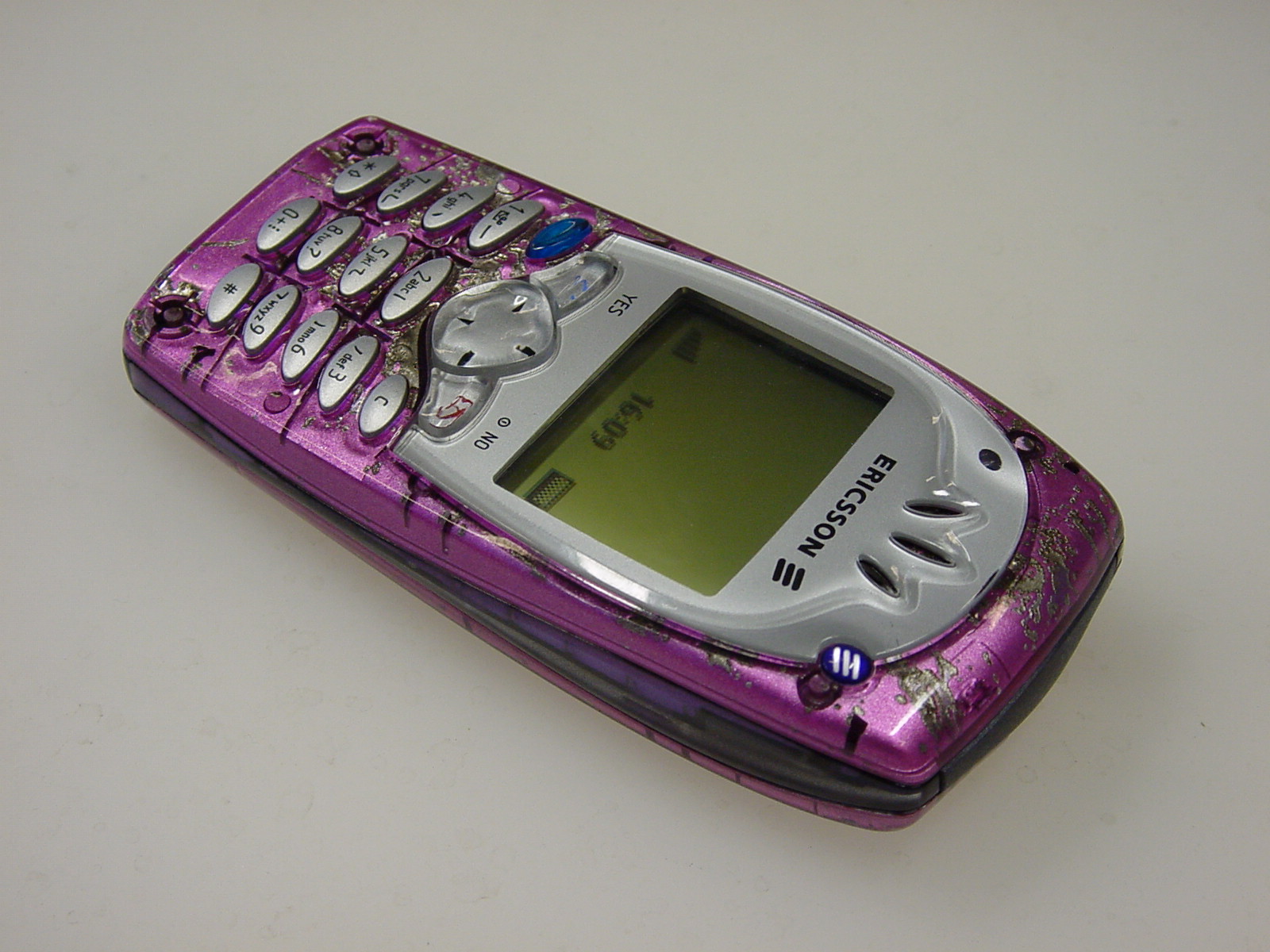
Another phone that never made it to market.
All this never-ending expansion could not go on forever. At the time it was called the tech bubble, and one day, as predicted, it burst. It started when the Dot-Com crisis in early 2000 and was closely followed by the tech companies that supplied them with equipment, including Ericsson. We saw it coming towards us slowly as projects were cancelled and money became generally tighter. Ericsson did get together with Sony to form Sony-Ericsson, who continued to design and make phones. Shortly after the merger I got a hint about the future when the product portfolio for the next few years was shown at a senior management meeting. What used to be twenty products for Ericsson was reduced to five, and none of the ones that we were working on was on the list.
The restructuring was announced in January of 2001. Just under half of the mechanical designers at Basingstoke were to be made redundant, that was about 20 people. Most of the rest of the company were subject to similar reductions. My job was to break the news to all the affected people. In those days only the people who were selected to be made redundant were given the 'at risk' status, so there was no doubt from the start. Management decided to select people based on the projects they were working on, so two whole projects, along with their staff were terminated. I was actually not personally troubled when breaking the bad news. I had to follow a script as to what I could and couldn't say in the interview, so it was a relatively robotic and easy process. Nobody cried or got violent which also made the task more bearable.
I knew that I needed to hang onto my job as long as possible since all tech companies were in the same boat, so jobs would be hard to come by out there in the world. This crisis did ultimately lead to the loss of my job, which was not a surprise. I just went into my boss's office one day and asked a question about something. He asked me to close the door and sit down. I could see the regret in his eyes, and the emotion in his voice was obvious. After giving me the bad news he said, "It is so sad to let good people like you go." I knew the situation he was in, most of my team was gone, so those left were amalgamated under a different manager. A couple of weeks later, when everyone in my team had gone, I went into his office and suggested I go on gardening leave until my 'at risk' period was over, and he agreed.
but that happened outside the timeline of this book, so you'll have to wait for the full story. Meanwhile, while all this was going on I was also navigating through a bit of a personal crisis.
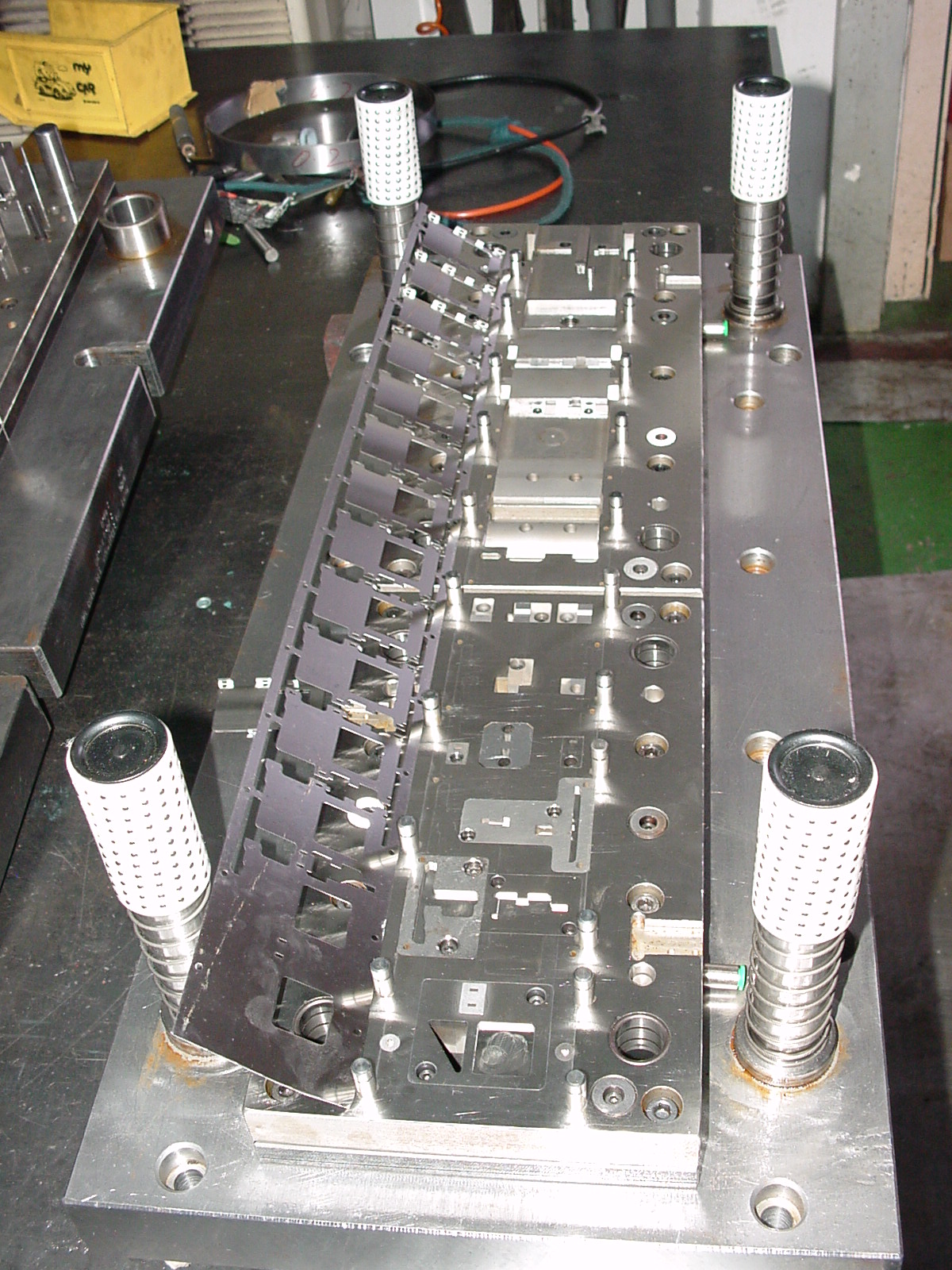
A progression tool to make a metal LCD cover
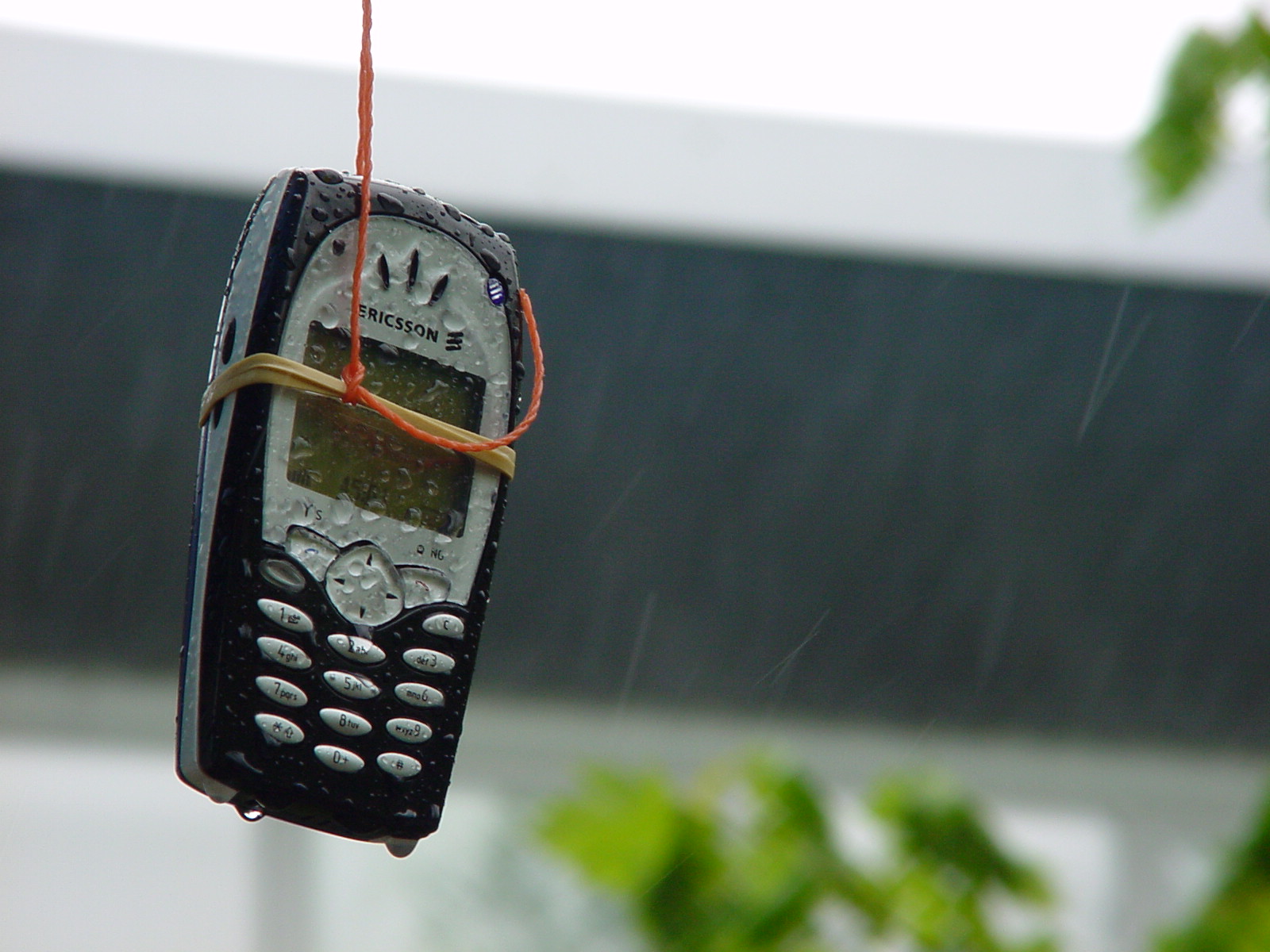
Testing a phone in the elements